Defending my enemy
Why Liberal Principles Matter Most When They Hurt

One of the most demanding tests of liberalism arises not when we are asked to defend speech we admire, but when we are asked to defend speech we find morally repugnant, politically dangerous, intellectually contemptible. Liberal principles do not exist to protect the agreeable. They exist precisely to restrain us when consensus or moral certainty tempts us to silence those we oppose.
To defend one’s enemy is not a gesture of tolerance in the everyday sense. It is not an expression of sympathy, neutrality, or relativism. It is a commitment to a structure of principles that must remain intact even when the content passing through them offends us. Liberalism, at its core, is not a theory of correct outcomes but a theory of limits; limits on who may decide, by what authority, and under what conditions.
The temptation to abandon those limits is perennial. It usually appears in respectable form: appeals to responsibility, to institutional integrity, to social harm, to moral urgency. These appeals are often sincere. They are also often dangerous. For once we allow the permissibility of speech to depend on who speaks, where they speak, or how we evaluate the worthiness of their message, freedom of expression quietly ceases to be a right and becomes a conditional privilege.

This is why the defense of free expression must be content-neutral, identity-blind, and structurally consistent. A principle that holds only when the speaker is admirable, the cause just, or the audience sympathetic is not a principle at all. It is a discretionary judgment disguised as moral reasoning.
This is not a lesson I learned comfortably, or once. Because it is hard to be a consistent liberal: it requires fighting against one’s own natural instincts.
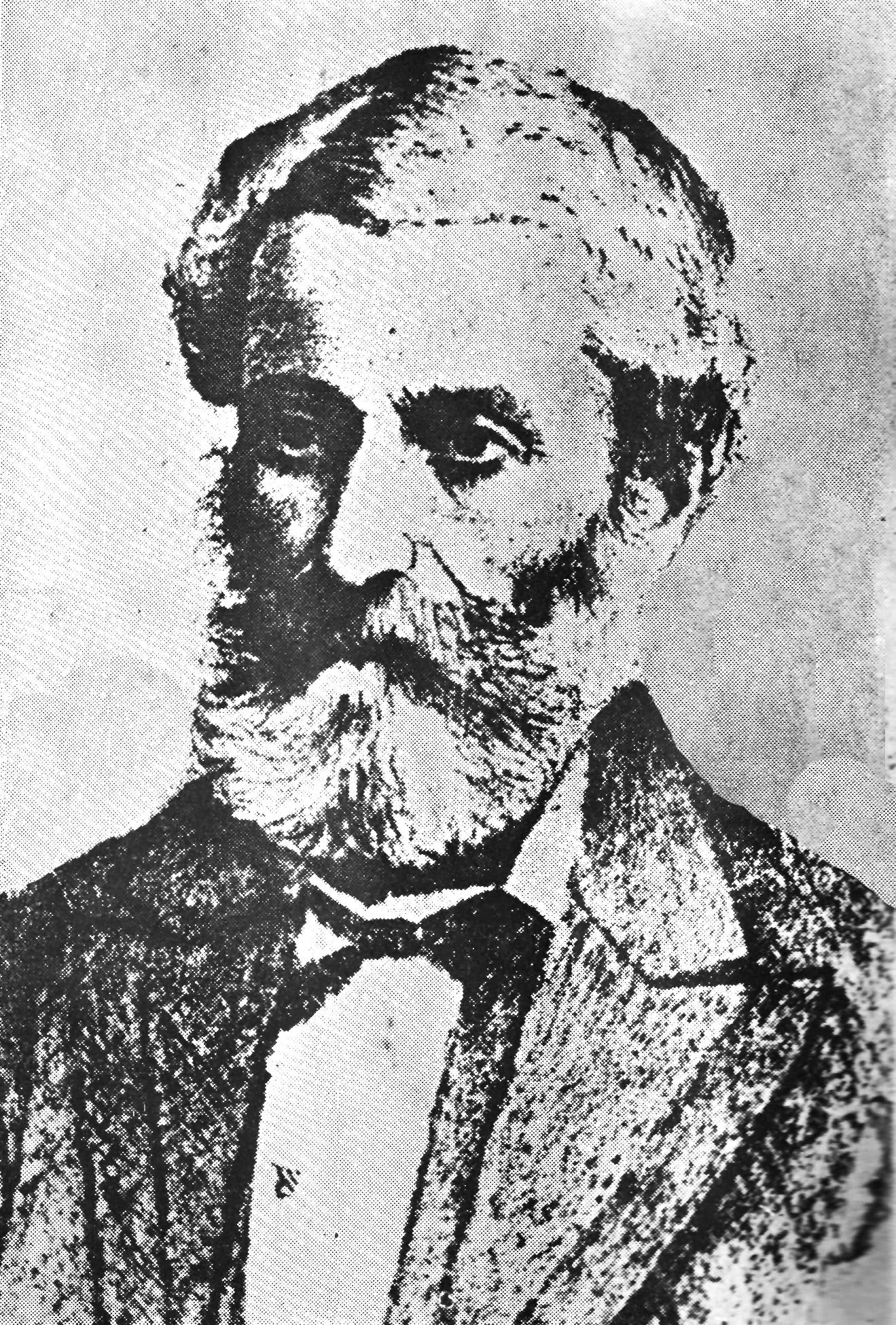
The hardest cases are not those necessarily involving vulnerable speakers or noble causes. Liberal principles are not tested there. They are tested when the speaker is powerful or detestable, when the message appears to align with oppression or falsehood, when the instinctive response is not to listen but to prevent. As the nineteenth-century Greek liberal writer Andreas Laskaratos emphasized: “Someone who fights for his own rights may or may not be a liberal. The true liberal is one who fights for the rights of others.”
It is precisely in such moments that liberalism demands self-restraint. This restraint is often misunderstood as passivity or complicity. But it is neither. To defend my enemy’s right to speak is not to endorse their views, legitimize their goals, or excuse their actions. It is to insist that the authority to silence cannot rest on agreement, virtue, or moral confidence. Once it does, the line separating law from raw power dissolves.
A liberal order depends on a critical asymmetry: the right to speak is not reciprocal with the right to be heard, praised, or accommodated. Others may protest, boycott, criticize, ridicule, or ignore. What they may not do – without undermining the very architecture that protects them in turn – is to prevent expression through coercive means or institutional pressure that functions as censorship in effect, even if not in name.
This distinction matters especially when public institutions are involved. Institutions inevitably exercise judgment. They allocate resources, schedule events, and define missions. But when institutional discretion is deployed selectively to suppress disfavored viewpoints, it ceases to be neutral governance and becomes a mechanism of exclusion. The danger lies not in any single decision but in the precedent it establishes: that access to public space, platforms, or recognition depends on ideological alignment or moral approval.
Once that threshold is crossed, every future decision becomes suspect. Power changes hands. Moral certainties shift. What was once justified as a defense against harmful ideas becomes, in another context, a tool for silencing dissent. The liberal response to this danger is not naïveté about power but skepticism toward its concentration, especially when exercised in the name of virtue.
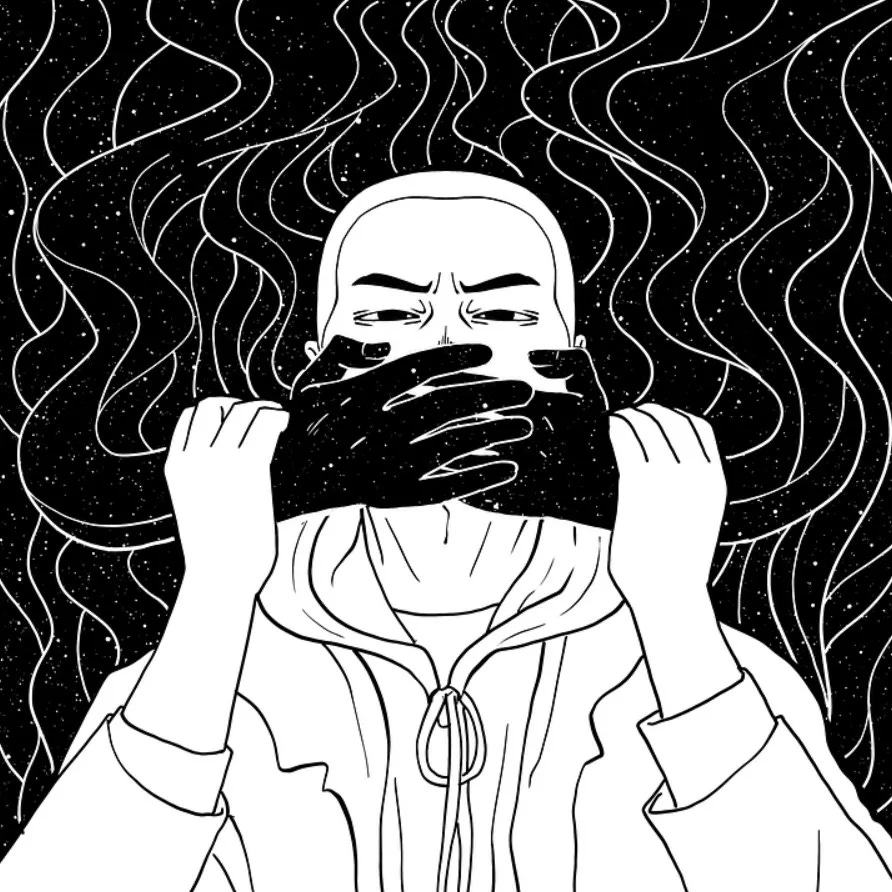
Defending my enemy is therefore not an act of generosity. What looks like generosity is in fact something different and way more demanding. It is an act of institutional self-defense. It reflects an understanding that principles must be robust enough to survive adversarial use. If a justification for silencing cannot be applied symmetrically, if it collapses when the political valence is reversed, then it is not a justification but a rationalization.
There is, of course, a psychological cost to this position. It requires resisting one’s own instincts, suppressing the satisfaction of seeing an opponent thwarted, and accepting outcomes that feel unjust in the moment. Liberalism has never promised comfort. It promises responsibility. It asks us to bear the burden of freedom not only when it serves us, but when it constrains us.
This burden is often mischaracterized as abstraction or moral fastidiousness. In reality, it is a deeply practical stance. Societies that normalize viewpoint-based exclusion, even under plausible justifications, do not remain pluralistic for long. They become polarized and thus brittle. They train citizens to think in terms of permission rather than rights, of alignment rather than argument.
The defense of one’s enemy is also a defense of one’s future self. It recognizes that today’s consensus is tomorrow’s heresy, that today’s guardians of propriety may become tomorrow’s censors. Liberalism does not assume moral symmetry among all positions. It assumes moral fallibility among all authorities.

To insist on this distinction is not to deny the existence of evil ideas or harmful doctrines. It is to deny that their suppression by coercive means is either a reliable or a legitimate response. History offers little evidence that enforced silence produces enlightenment. It offers abundant evidence that it produces resentment, radicalization, and intellectual decay.
In the end, defending my enemy is not about them. It is about refusing to convert moral disagreement into institutional power; a temptation I recognize all too well in myself. It is about preserving a space in which error can be confronted rather than managed, and falsehood exposed rather than administratively erased.
Liberal principles do not exist to reassure us when we are right. They exist to restrain us when we are convinced we are. And it is precisely at that moment – when suppression feels justified, even necessary – that defending my enemy becomes not merely an option, but an obligation.