Interpreting Venizelos
Nikolaos Papadakis and the Making of Modern Greek Historical Memory

This essay is adapted from my speech at the unveiling of the bust of Nikolaos Emm. Papadakis in Vamos, Apokoronas, Chania, Crete, on May 29, 2026. The ceremony took place in the presence of the President of the Hellenic Republic, members of the government and parliament, local and regional authorities, representatives of civil society, senior clergy, and the people of Vamos. The text has been revised and expanded for publication and for readers unfamiliar with modern Greek history.
There are moments in history when an individual does not merely rise above his age but becomes the lens through which an entire age is understood. One such moment occurred in Athens in September 1910. Standing on a balcony overlooking Syntagma Square, Eleftherios Venizelos faced a crowd demanding a Constituent Assembly and, in the more radical expectations of the moment, the possible abolition of the monarchy and the drafting of an entirely new constitution. The atmosphere was charged with revolutionary energy. Greece, shaken by military humiliation, political stagnation, and the recent intervention of military officers in politics, appeared to be standing at the threshold of rupture.
Venizelos refused rupture. Striking the podium with his hand, he insisted that Greece did not need the destruction of the existing constitutional order but its revision. There would be no Constituent Assembly, only a Revisionary Assembly; no abolition of the Crown; no leap into constitutional uncertainty. Contemporary observers recalled that the thousands gathered in Syntagma Square suddenly fell silent. In that silence, as one historian memorably observed, Venizelos imposed himself upon the nation.
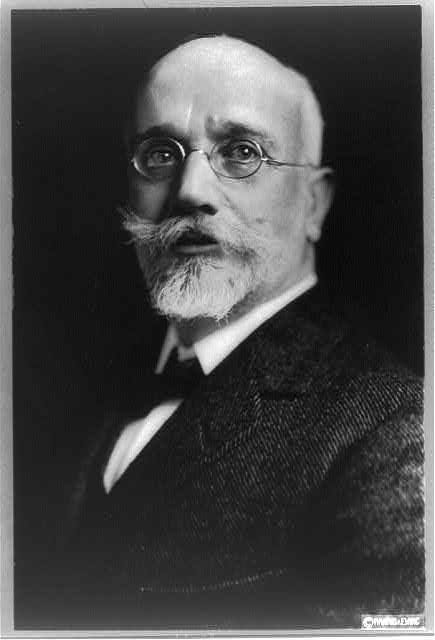
The significance of the episode lies less in its constitutional details than in what it reveals about Venizelos’ political temperament. Throughout his career he sought substantial reform while remaining wary of institutional rupture. He was neither a conservative defender of the status quo nor a revolutionary in the conventional sense. The tension between ambition and restraint would become one of the defining characteristics of his political career. In that intervention one can glimpse much of what made Venizelos the most consequential statesman in modern Greek history.
The question of why Nikolaos Papadakis spent decades studying, documenting, and interpreting Venizelos cannot be answered simply by invoking admiration for a great historical figure. Papadakis recognized in Venizelos a politician whose career raised many of the central questions of modern Greek history: the relationship between reform and nation-building, the limits of state power, and the opportunities and dangers created by international politics. He understood that through the life of Venizelos one could examine not only the biography of a leader but the making of modern Greece itself.
Papadakis was not simply a biographer, archivist, or admirer. As founder and long-serving director of the National Research Foundation “Eleftherios K. Venizelos,” he transformed the memory of Venizelos into a living institution. Through archival work, publications, exhibitions, conferences, educational initiatives, and a substantial two-volume biography exceeding 1,100 pages, he helped establish a scholarly infrastructure for the study of one of Europe’s most remarkable statesmen. His work belonged to the field of public history in the best sense of the term: not the simplification of the past for ceremonial use, but the disciplined preservation of historical memory through evidence, documentation, and interpretation.
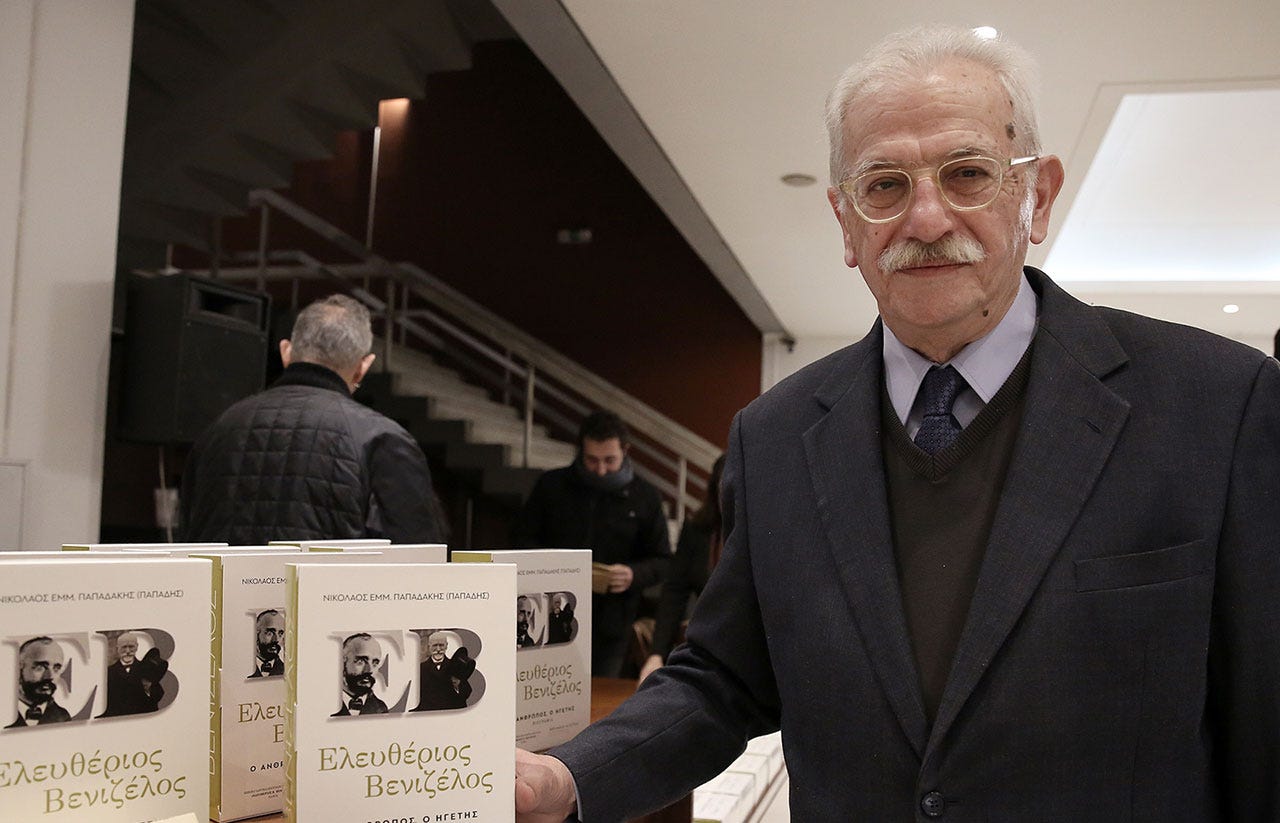
Papadakis was drawn to Venizelos not because he regarded him as infallible but because he saw in him an unusually revealing historical figure. Few politicians have left such a deep imprint on both the territorial and institutional development of their country. For Papadakis, Venizelos was the principal architect of modern Greece: the statesman who presided over its dramatic territorial expansion, reshaped its governing institutions, and helped define its place within Europe and the eastern Mediterranean.
This claim may sound exaggerated to those unfamiliar with Greek history. Yet it is difficult to understand twentieth-century Greece without understanding Venizelos. His influence extends far beyond territorial expansion or the victories associated with the Balkan Wars. His deeper achievement was institutional. When Venizelos entered national politics in 1910, Greece remained a relatively weak Balkan kingdom, humiliated by defeat in the Greco-Turkish War of 1897 and burdened by administrative inefficiency, factional politics, and limited state capacity. Within a few years he had initiated a major constitutional revision, reorganized the military, modernized public administration, strengthened the judiciary, expanded public education, and attempted to create something that Greece had previously lacked: an effective modern state.
Since the rise of social history and historical sociology in the second half of the twentieth century, historians have generally become skeptical of explanations centered on individual statesmen. Economic development, class formation, demographic change, war, and international politics have increasingly displaced political biography from the center of historical explanation. The Greek case does not invalidate those approaches. It does, however, suggest that political leadership sometimes deserves more attention than recent historiography has been willing to grant it. Venizelos operated within constraints imposed by geography, finance, Great Power diplomacy, social conflict, and the long shadow of the Ottoman imperial collapse. Yet the Greek case suggests that political leadership can sometimes alter the pace, direction, and even the institutional consequences of broader historical processes. Venizelos did not create the forces transforming Greece and the eastern Mediterranean, but he proved unusually adept at mobilizing and directing them.
Venizelos understood something fundamental: national aspirations without institutions remain rhetoric. Territorial ambitions without administrative capacity remain fantasy. This was perhaps the first aspect of Venizelos that captivated Papadakis. Venizelos was not a nationalist of slogans. He understood that state-building precedes national greatness.
His second achievement was geopolitical. Under Venizelos, Greece ceased to be a passive observer of international developments and became an active participant in shaping them. Through alliances, diplomatic maneuvering, and strategic calculation, Greece emerged from the Balkan Wars with dramatically expanded territory and population. Thessaloniki, Macedonia, Epirus, Crete, and the islands of the eastern Aegean entered the Greek state through a combination of military success and diplomatic skill.
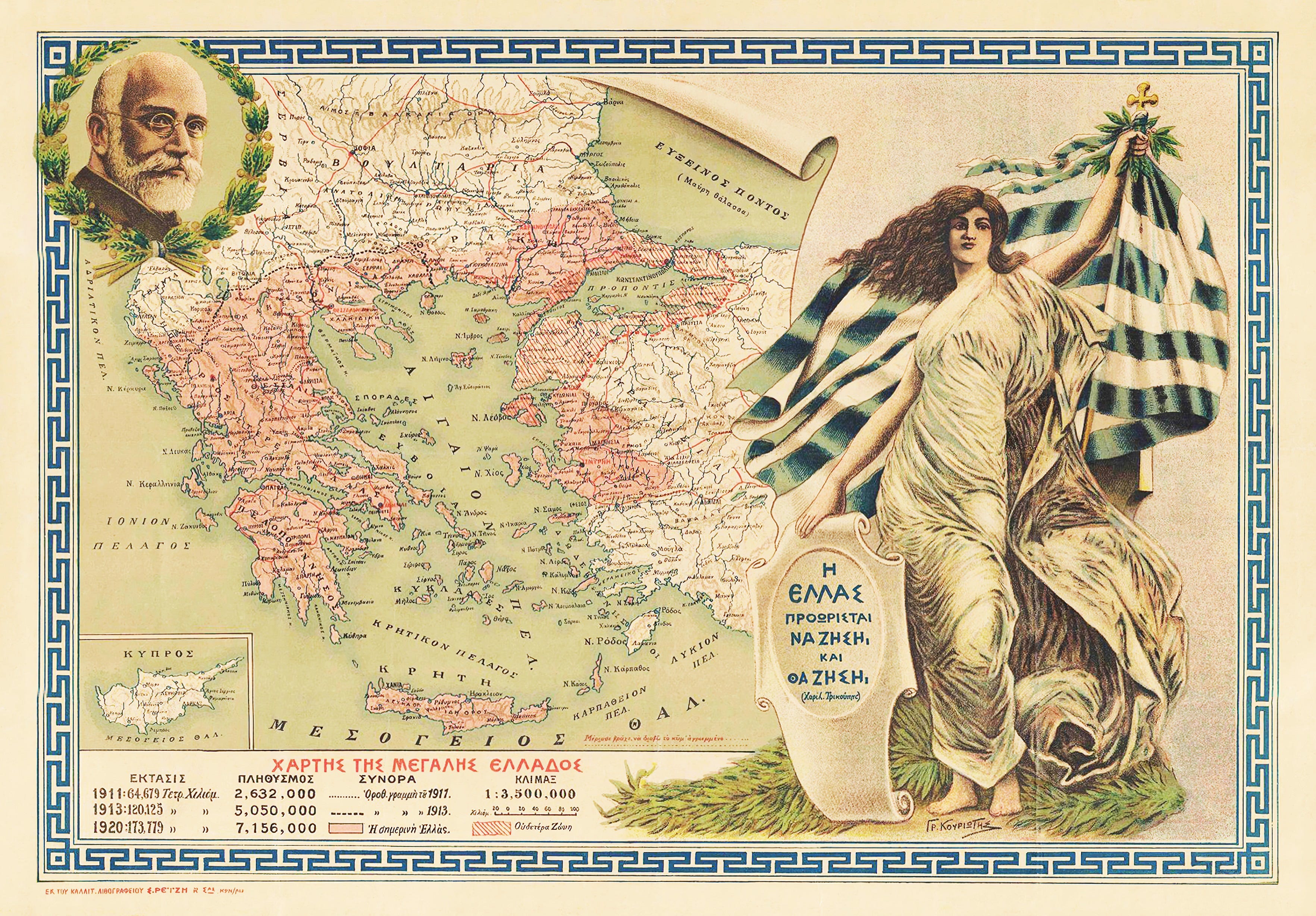
These outcomes were not accidental. They reflected a combination of diplomatic judgment and political calculation.
Venizelos possessed an unusually sophisticated understanding of international politics. Unlike many Balkan leaders of his generation, he recognized that national objectives could only be achieved through careful engagement with the broader European balance of power. He understood that military power alone was insufficient and that diplomacy was often decisive in translating military success into durable political gains. For this reason, Venizelos belongs in the same discussion as figures such as Cavour and Bismarck: statesmen who inherited countries that appeared too weak for their ambitions and left behind states fundamentally different from those they had found.
Yet comparison also has limits. Venizelos acted not in the context of a great power but within a small state whose fate depended heavily on international alignments. His genius lay partly in understanding that small states do not possess the luxury of autonomy in the same way as great powers. They must read the international system with unusual precision. Venizelos’ greatness was not only that he had a national vision, but that he knew how to attach that vision to favorable international circumstances.
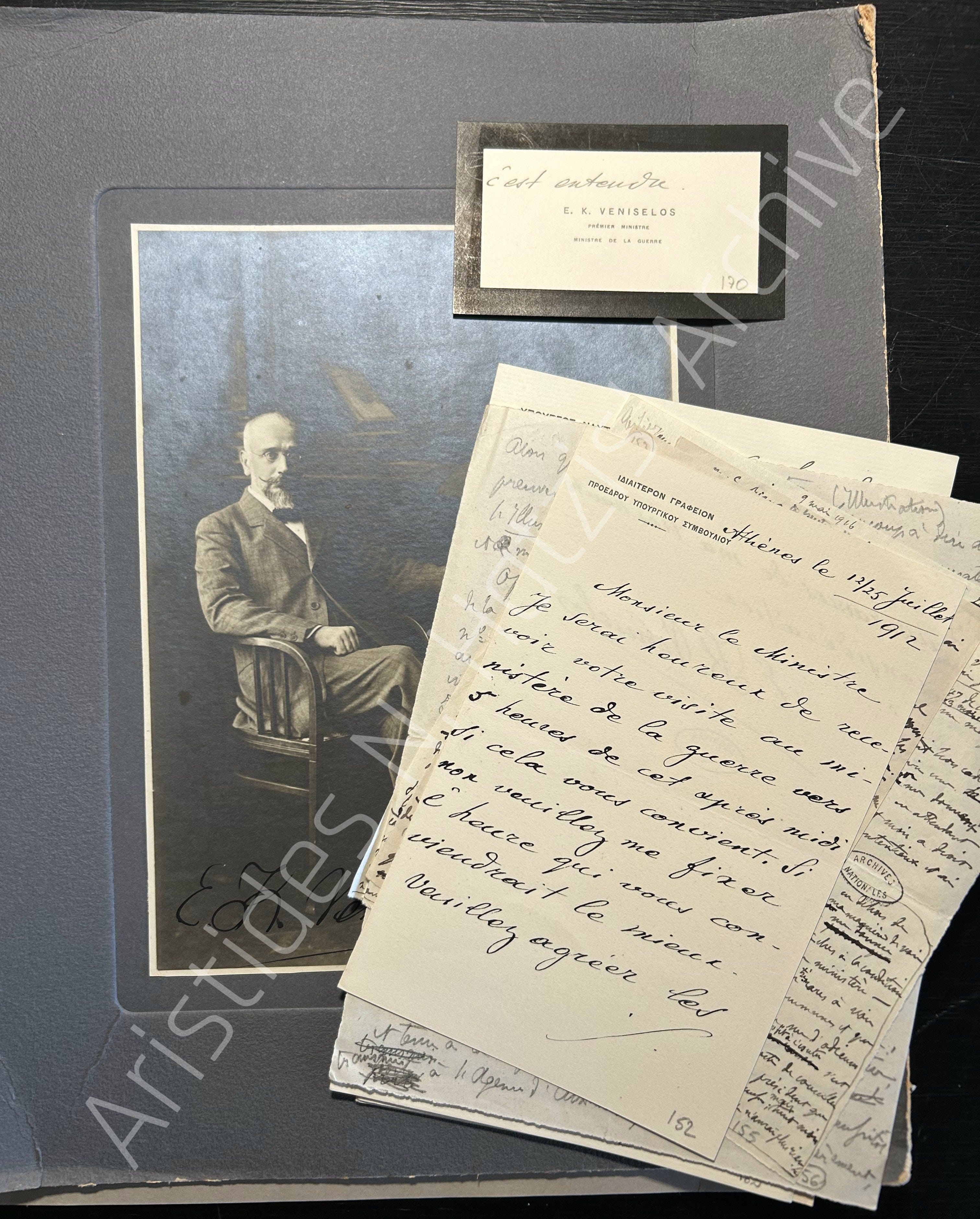
Without Venizelos, twentieth-century Greece would almost certainly have been smaller, weaker, less consequential. But great statesmen are not judged solely by their victories. They are also judged by how they confront defeat and historical trauma.
Papadakis was particularly interested in the second half of Venizelos’ career: the aftermath of the Greek defeat in Asia Minor in 1922 (known in Greece as the Asia Minor Catastrophe), the Treaty of Lausanne, and the final phase of his political life. The Venizelos who emerged after 1922 was necessarily different from the politician of the Balkan Wars. The challenge was no longer expansion but reconstruction. The political task was to stabilize a state that had just experienced one of the greatest disasters in its modern history.
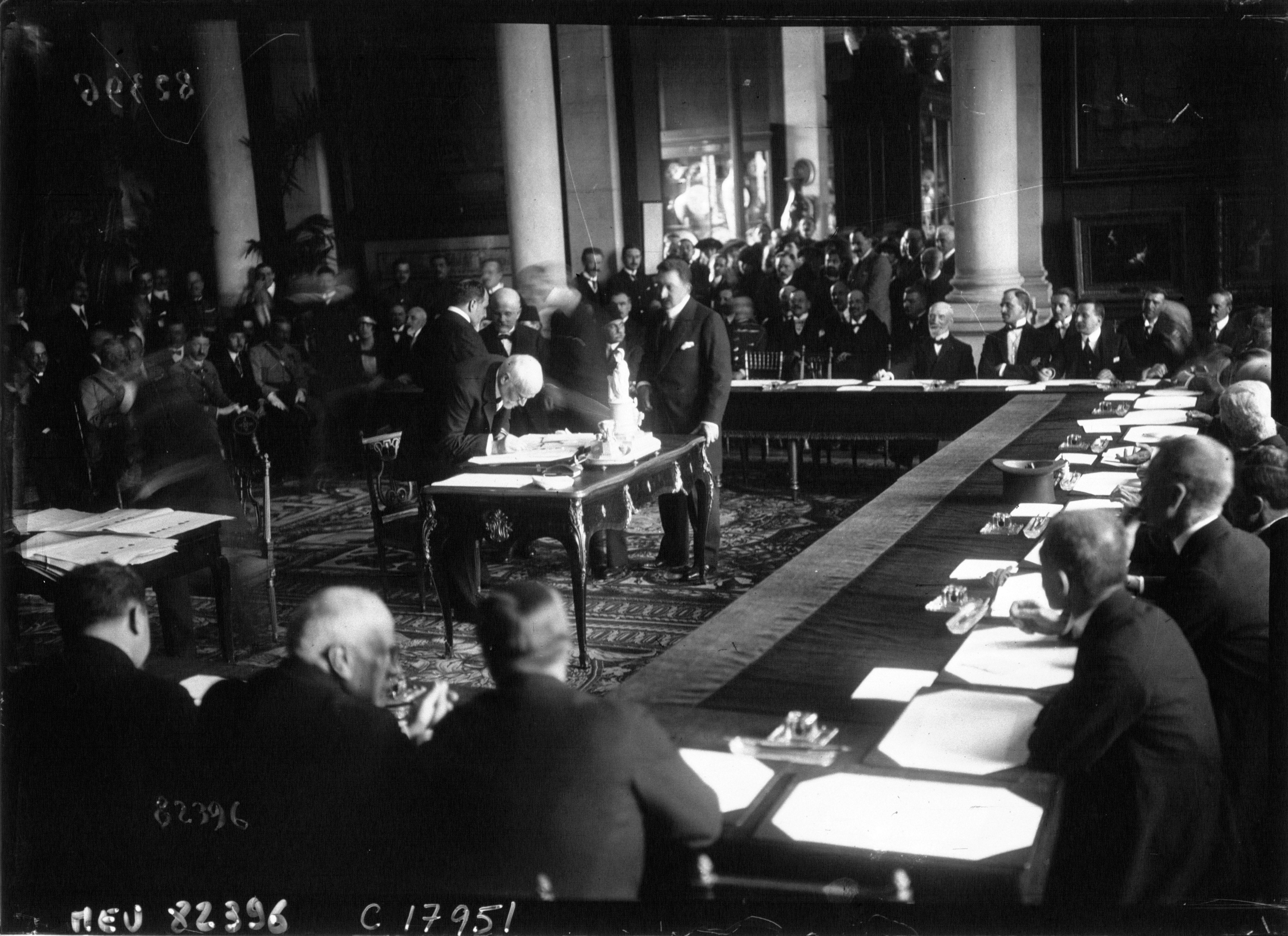
When Venizelos participated in the negotiations leading to the Treaty of Lausanne, he did so not as the representative of a victorious nation but as the representative of a traumatized one. The dream of a greater Greece in Asia Minor had collapsed. Hundreds of thousands of refugees had arrived in Greece. The economy was strained. Political divisions were profound. Yet Venizelos displayed a quality often overlooked in discussions of political leadership: the ability to recognize when an era has ended.
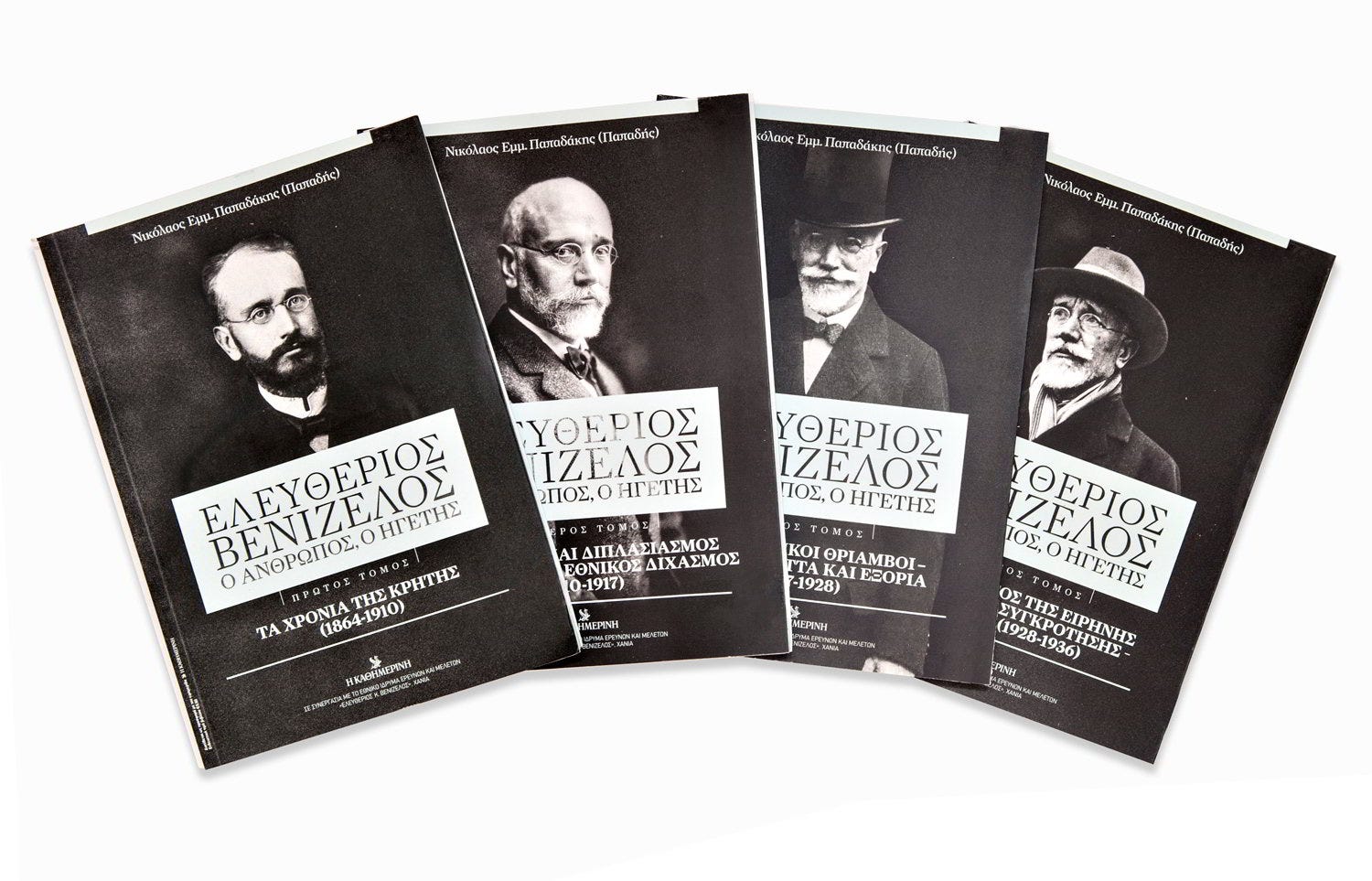
The Treaty of Lausanne represented a decisive acceptance of geopolitical reality. It abandoned the expansive ambitions associated with the nineteenth-century irredentist “Great Idea” and established the foundations of a more viable nation-state. This aspect of Venizelos’ career helps explain why Venizelos cannot be understood simply as a nationalist leader. He occupies an unusual position in Greek history. More than any other statesman he advanced the territorial ambitions associated with the Great Idea. Yet he also played a central role in managing the transition to a political order that could no longer be organized around those ambitions. In that sense, his career spans both the culmination of nineteenth-century Greek irredentism and the emergence of a more consolidated nation-state after 1922.
The same can be said of Venizelos’ final premiership between 1928 and 1932, often described as his “golden four-year period.” The label “golden four-year period” captures the scale of the government’s ambitions more successfully than it captures the difficulties it faced. The challenge facing Venizelos was formidable: integrating refugees, stabilizing public finances, rebuilding infrastructure, restoring Greece’s international standing, and redefining national objectives after one of the greatest disasters in modern Greek history.
What makes this period historically significant is not the absence of problems but the ambition of the response. Venizelos attempted something extraordinarily difficult: to transform defeat into a program of national reconstruction. The central shift was conceptual. The focus of Greek politics moved away from irredentist expansion and toward institutional consolidation. The goal was no longer to enlarge the state but to strengthen it.
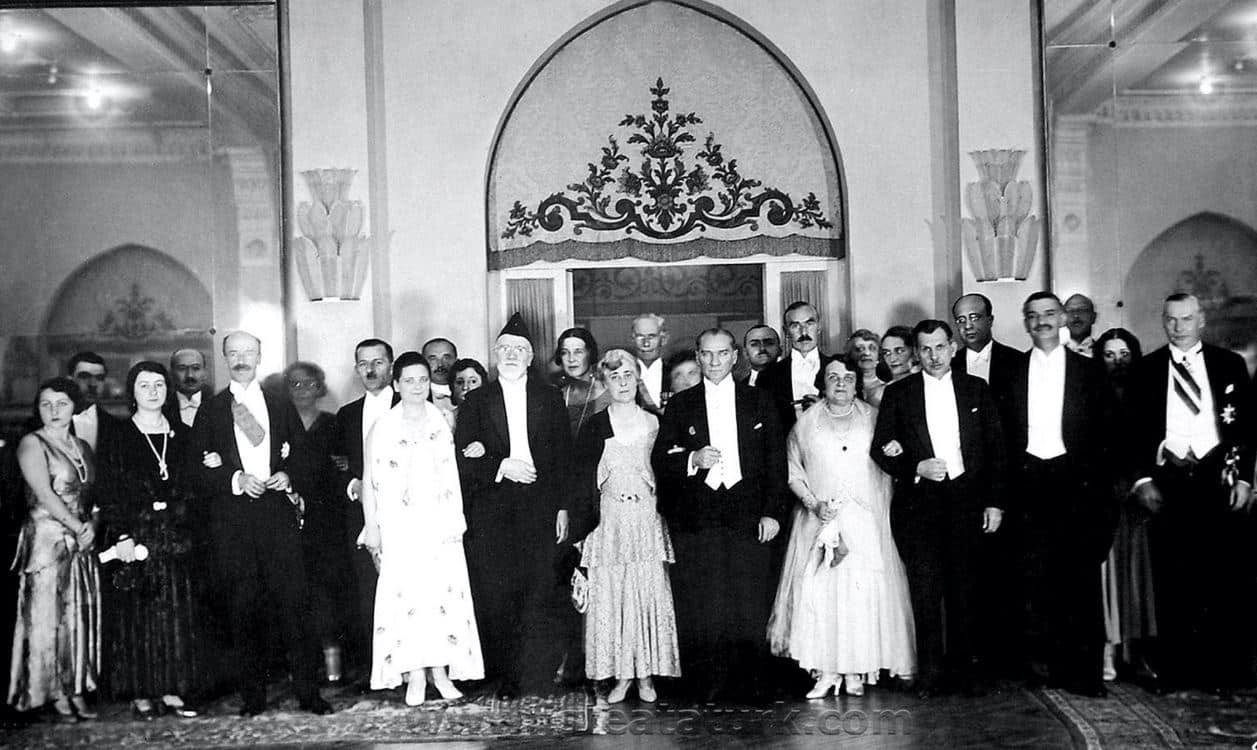
Papadakis regarded this phase of Venizelos’ career as central to understanding his political legacy. It demonstrated a mature form of statesmanship. It also revealed the deeper meaning of Venizelian liberalism: not merely parliamentary rhetoric or party identity, but a governing project that linked national purpose to administrative capacity, economic modernization, educational reform, and international orientation.
Venizelos’ achievements make it tempting to overlook his limitations. Indeed, one of the most striking features of Venizelos’ political career was his confidence in his own judgment. This confidence was often the source of his success. Without it, many of his achievements would have been impossible. But it also carried risks.
The most difficult question concerns the decision to land Greek troops in Smyrna in 1919 and to pursue an increasingly ambitious military commitment in Asia Minor. Historians may disagree on the extent of Venizelos’ responsibility. The circumstances were extraordinarily complex, involving Allied diplomacy, Ottoman collapse, nationalist mobilization, domestic political conflict and the unstable aftermath of the First World War. Nevertheless, one may plausibly argue that Greece exceeded its material capacities. The country had already experienced successive wars. Its economy was strained. Its demographic and military resources were limited. The strategic objectives became increasingly detached from sustainable means.
Whether the Asia Minor campaign should be regarded as Venizelos’ greatest error remains a matter of debate. What is less debatable is that it exposed a recurring tension in his political career. Venizelos was often an acute judge of realities, yet at certain moments his confidence in his own judgment appears to have encouraged an underestimation of constraints. Large historical projects inevitably expose political leaders to forms of failure unavailable to more cautious figures. This does not excuse failure. It simply reminds us that historical significance cannot be measured solely by outcomes.
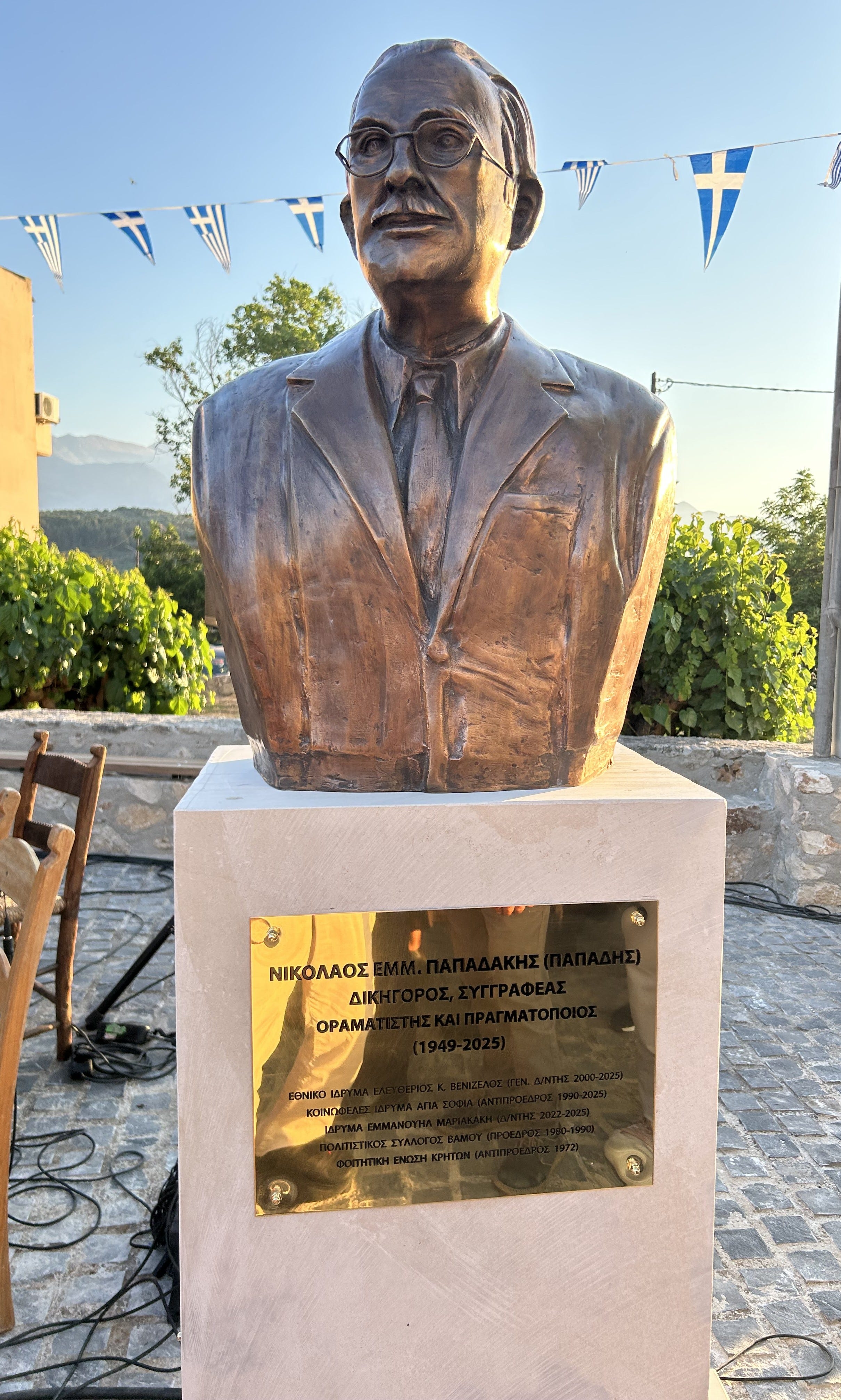
It was precisely these contradictions that attracted Papadakis. He saw in Venizelos a concentration of the central tensions of modern Greek history: modernization and division, triumph and catastrophe, realism and ambition, nation and state. Through Venizelos one can study not merely a politician but an entire historical experience.
Papadakis’ achievement was not that he persuaded everyone to admire Venizelos. Historians will continue to disagree about many aspects of his career, as they should. His achievement was different. He helped preserve the archival and institutional foundations that make serious disagreement possible. Research centers, archives, documentary collections, and scholarly networks rarely attract public attention, yet they are indispensable to the production of historical knowledge.
In that respect, Papadakis’ contribution extends beyond the study of Venizelos himself. It concerns the conditions under which historical knowledge is preserved and transmitted. Those conditions are often taken for granted until they disappear. Much of Papadakis’ life was devoted to ensuring that they did not.